
Last updated November 22, 2026
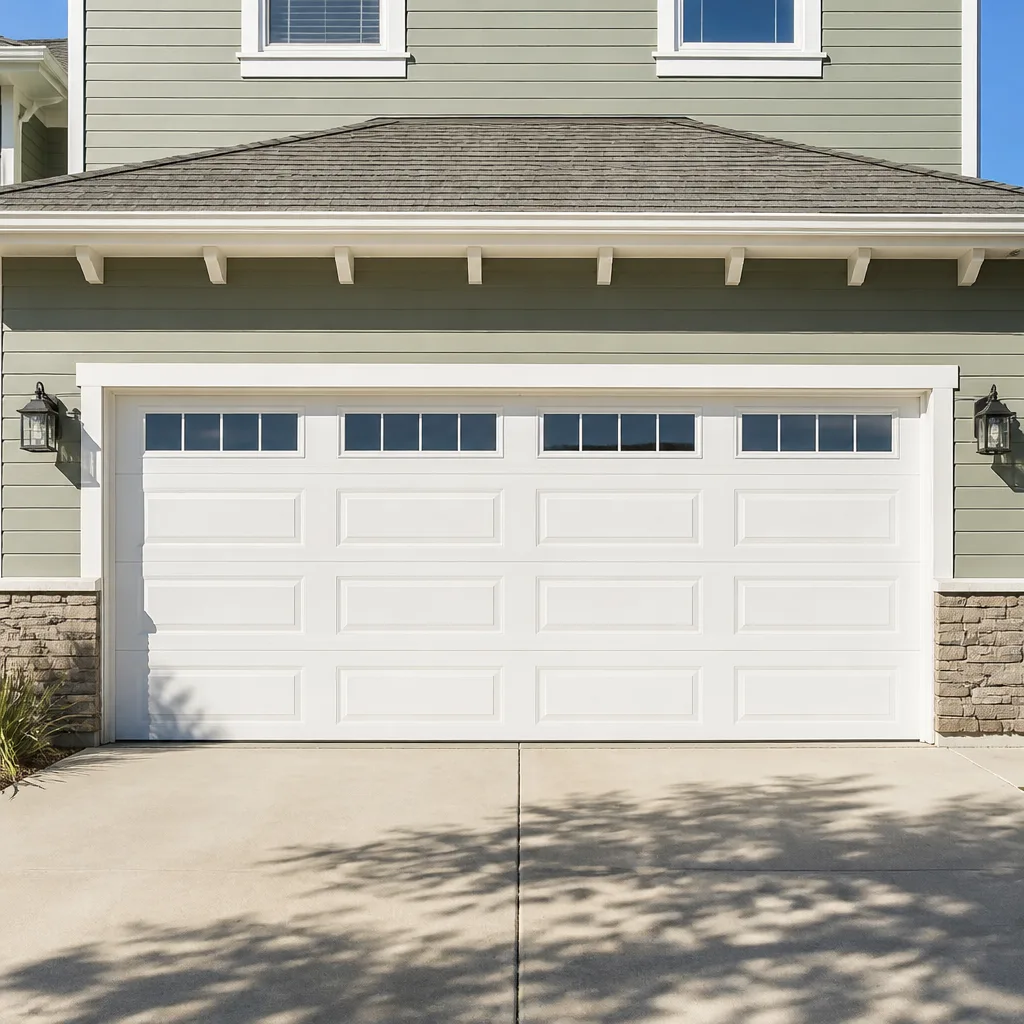 Raised-panel steel
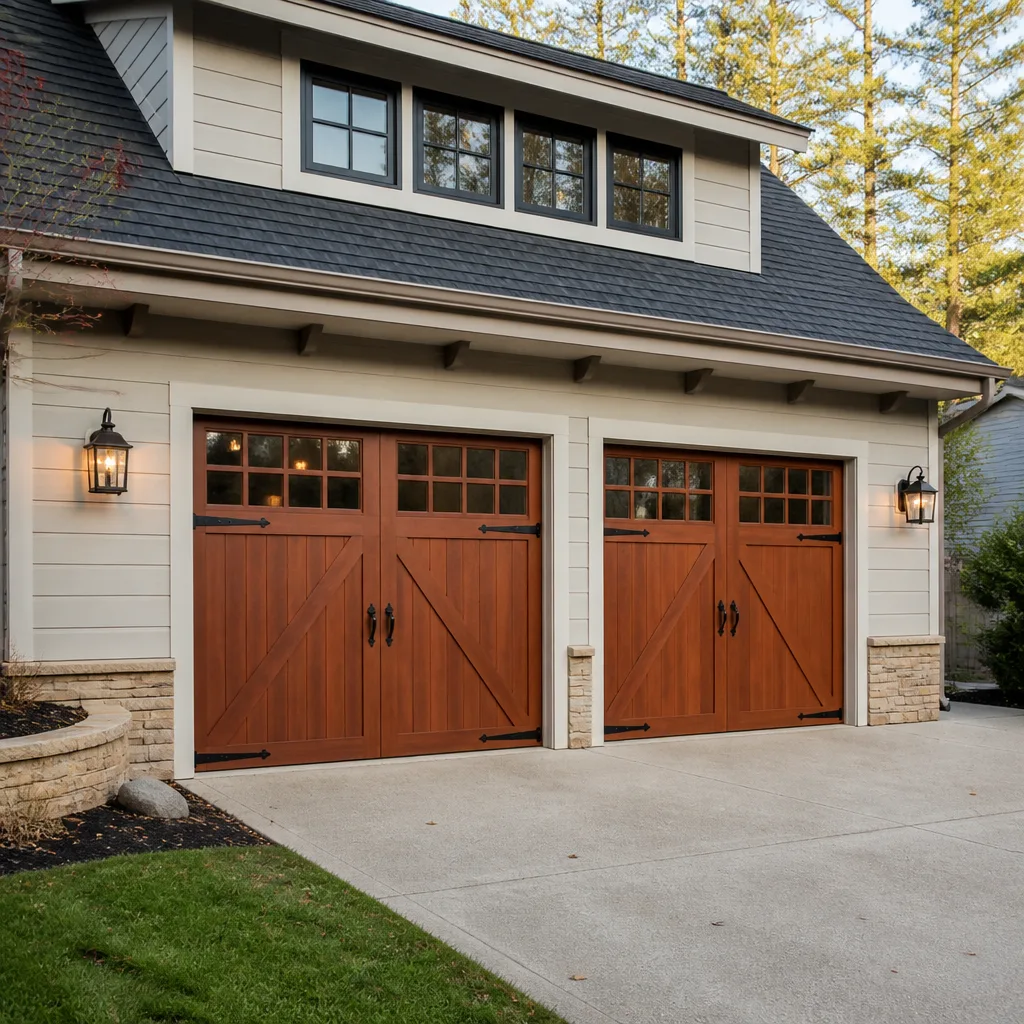 Carriage house
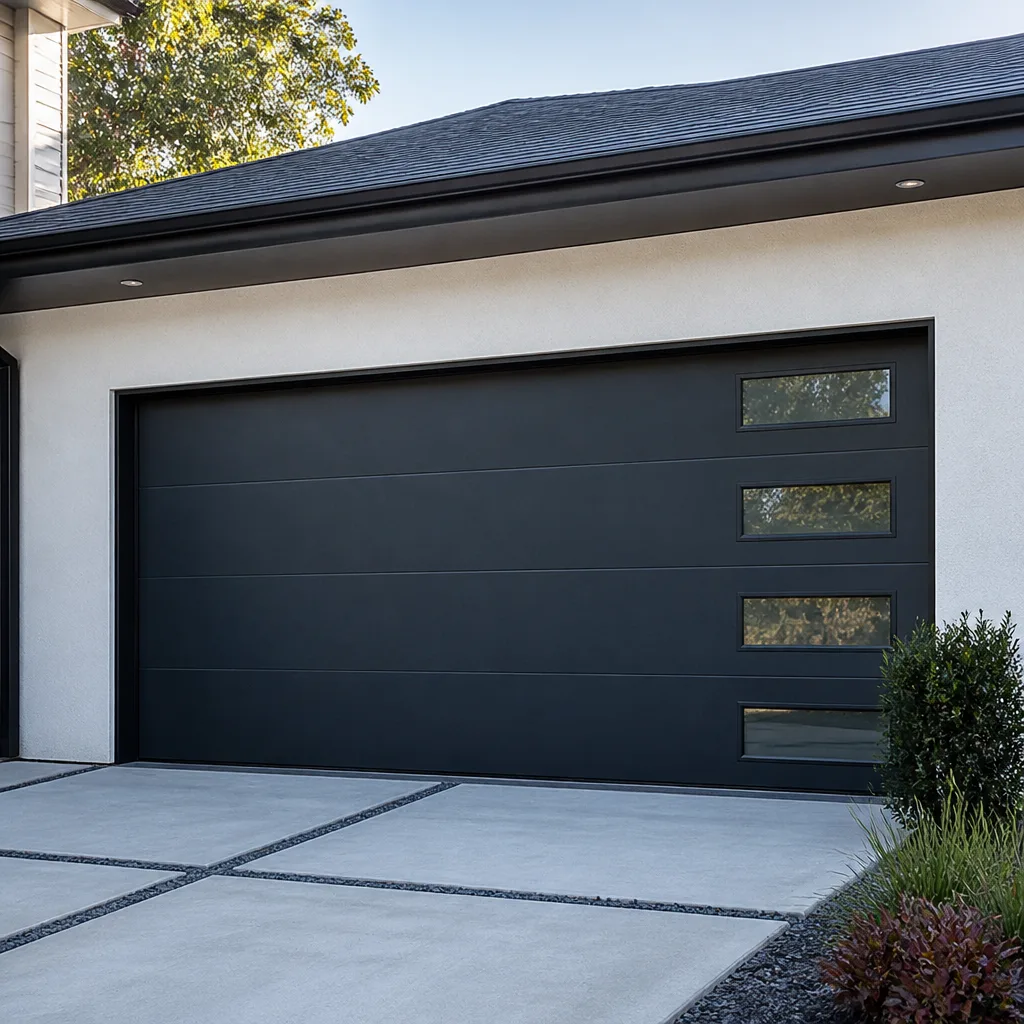 Modern flush
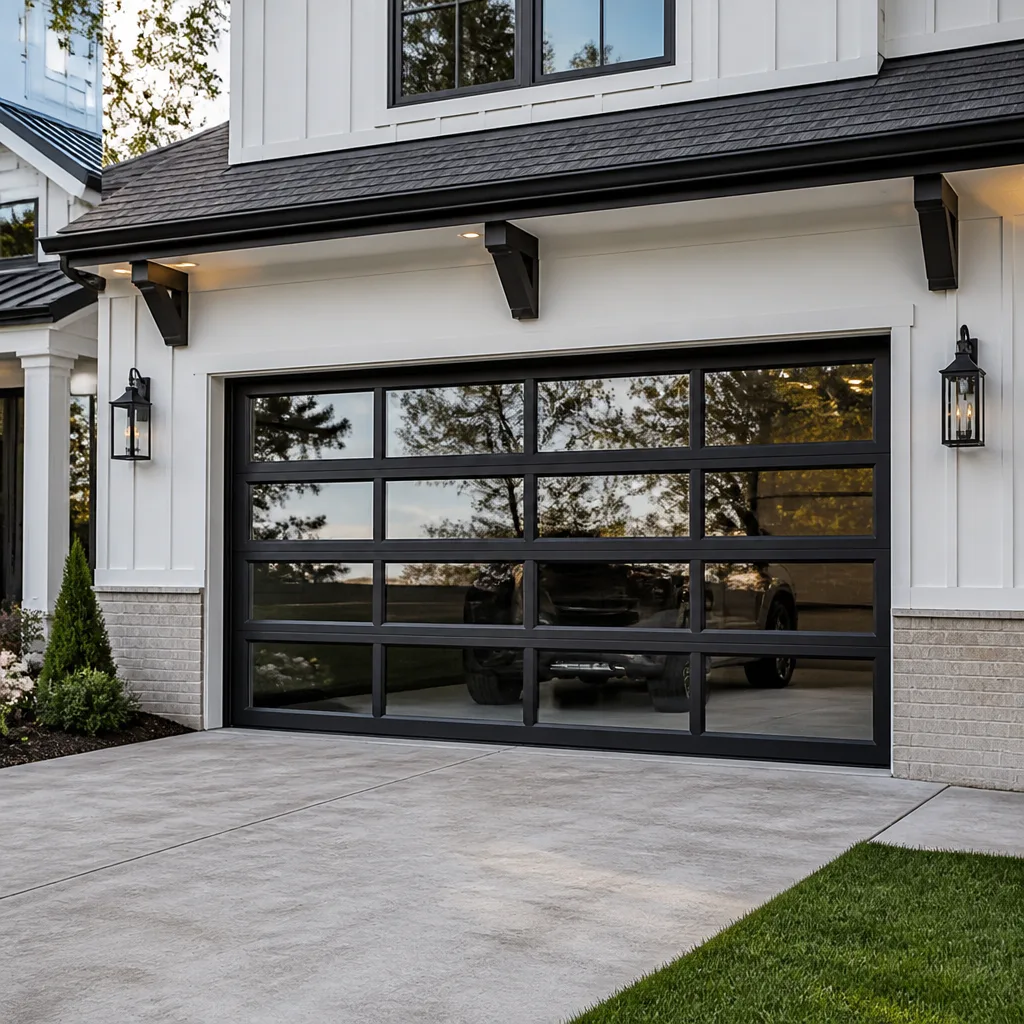 Full-view glass
 LiftMaster openers
 Chamberlain openers
Full 25-point door and opener safety check with every visit - springs, cables, rollers, tracks, and your LiftMaster or Chamberlain opener included
You get a price before we start. It does not change when the pro arrives.
Get your free estimateGarage Door Repair Maintenance Checklist for Gainesville Homeowners
A generic quarterly maintenance checklist tells you to inspect your weather stripping in December. In Gainesville, that advice arrives six months too late. By December, the bottom seal has already spent an entire summer absorbing afternoon thunderstorms, and the damage is done. Your garage door lives in a climate with two real stress windows and one short repair window, and a checklist that treats the year as four equal seasons misses all of it. This guide sequences maintenance around the Florida calendar: what to do before storm season, what to check after it, and what to handle in the cool, dry stretch when lubricants actually stay put. You’ll get the exact products to use, the ones that quietly cause rust, and a five-minute inspection that catches most problems before they turn into emergency calls.
Quick Answer
A garage door maintenance checklist for Gainesville should be built around three dates, not four seasons: a pre-storm inspection in May, a post-storm inspection in September, and lubrication and hardware checks in January when humidity drops. Between those, a five-minute monthly visual check of springs, cables, rollers and the bottom seal catches most failures before they strand your car. Spring and cable work is not a homeowner task; it belongs to a trained technician.
Styles & brands we work with
- Raised-panel steel
- Carriage house
- Modern flush
- Full-view glass
- LiftMaster openers
- Chamberlain openers
Table of Contents
- Why a Gainesville Maintenance Calendar Looks Different
- May: The Pre-Storm Inspection
- September: The Post-Storm Reset
- January: The Cool-Dry Lubrication Window
- Which Lubricant to Use in Gainesville Humidity (and Which to Avoid)
- How to Inspect and Reseat the Bottom Rubber Seal
- Opener Sensitivity and Force Tests That Matter in Daily Heat
- The Five-Minute Visual Inspection
Why a Gainesville Maintenance Calendar Looks Different
Most national checklists are written for a place with four distinct seasons and a long freeze. Gainesville doesn’t have that. What it has is a wet season, a dry-cool stretch, and a hurricane season that overlaps both. That changes what your door is fighting at any given moment.
From roughly June through September, afternoon storms push heavy rain sideways against your door. Rubber seals soften, wood and steel at the bottom of the door stay damp, and the garage interior holds heat well past sunset. Your opener is cycling a door that expands slightly in the heat and contracts overnight, and the hardware is working in air that’s close to saturated. Then, in the brief cool-dry window around January, everything settles. That’s when lubricant stays where you put it instead of running off or trapping grit.
This is the counterintuitive part: the months that feel easiest on your door, the dry ones, are the months to do the maintenance that protects it during the hard ones. A Gainesville homeowner who lubricates in January and reseats the seal in September gets more life out of the same door than one who follows a generic quarterly routine.
The Three Anchor Dates
- May: Get the door storm-ready before the wet season peaks.
- September: Undo the summer’s wear – seals, tracks, fasteners, moisture.
- January: Lubricate, tighten, and adjust while the air is dry and cool.
Everything else between those dates is a quick look, not a project. We’ve found that homeowners who anchor to these three dates stay ahead of the failures that fill our emergency calls in Gainesville. If you’d rather have a professional walk the whole system once and set a baseline, Gainesville Garage Door Repair Pros handles that inspection and every repair it turns up.
May: The Pre-Storm Inspection
May is the month to find problems on your terms, before a storm finds them for you. Once the wet season is in full swing, a door that’s slightly out of balance or has a loose bracket turns into a door that’s stuck, and stuck during a storm is worse than stuck on a clear day.
Work through this in order. It takes under an hour.
- Test the balance. Disconnect the opener using the release cord, lift the door halfway by hand, and let go. A balanced door holds position. One that drops or rises on its own is carrying spring tension that’s off, and that’s a technician job.
- Look at the springs. For torsion springs above the door, check for a visible gap in the coil. For extension springs at the sides, check for stretched coils or a missing safety cable. Never touch or try to adjust a spring – the tension stored in one can cause serious injury.
- Run a finger along the cables. Frayed strands, kinks or slack mean the cable is failing. Don’t operate the door until a professional looks at it.
- Check the tracks for alignment. They should be straight and parallel. A dent or a track that’s pulled away from the frame will bind the rollers.
- Look at the bottom seal. A seal that’s cracked or pulling loose will let storm water in. We cover reseating it below.
- Clear the opening. Storm season means stored items near the door. Anything leaning against the track or blocking the safety sensors is a problem waiting for a power flicker.
If the inspection turns up a failed spring or a frayed cable, don’t wait it out. Spring failure is the leading cause of garage door breakdowns and carries real safety risk when handled wrong. garage door spring repair is a core service for us, and it’s the repair we’d never suggest a homeowner attempt alone.
September: The Post-Storm Reset
By September, your door has been through months of rain and heat. The post-storm reset is about undoing wear that’s already happened, not preventing future wear. This is the inspection that catches the slow damage.
Start at the bottom and work up.
- Dry and inspect the bottom of the door. Look for water staining, bubbling paint or soft spots on a wood door, or rust along the bottom edge on steel. Standing moisture is the enemy here.
- Pull the bottom seal away and check behind it. Grit and water collect in the channel. Wipe it dry before you reseat the seal.
- Wipe down the tracks. Summer storms bring grit that works into the rollers. A dry cloth and a light brush along the inside of each track clears it.
- Tighten visible fasteners. Vibration over a wet season loosens bracket and hinge bolts. Snug them, don’t overtighten.
- Test the safety reverse. Put a roll of paper towels under the door and close it. The door should reverse on contact. If it doesn’t, stop using the opener.
- Check the photo-eye sensors. Wipe the lenses and confirm the indicator lights are steady. A misaligned sensor is the most common reason a door won’t close after a storm.
Do this in September and you’ll enter the cool months with a door that’s clean, dry and correctly adjusted. If the reset reveals a problem with the operator itself, that’s garage door opener repair territory, whether it’s an older Craftsman unit or a newer Wi-Fi-connected model.
January: The Cool-Dry Lubrication Window
January is the only stretch in Gainesville where lubrication genuinely works. In summer, the air is so humid that some products trap moisture against metal, and heat thins others so they run off before they coat anything. In the cool-dry window, a proper lubricant clings and stays put.
This is the month for the tasks that need the lubricant to actually stay.
- Lubricate the springs. A light coat on torsion springs reduces friction and quiets the coils. Don’t overdo it. Springs should be lightly filmed, not dripping.
- Lubricate the rollers and hinges. One drop or a light spray at each hinge pivot and roller stem. Wipe off excess so it doesn’t collect grit.
- Lubricate the opener’s chain or screw drive. Use the lubricant the manufacturer specifies for your opener. This is where brand familiarity matters – LiftMaster, Chamberlain and Genie systems each have their own specification.
- Recheck balance and spring tension. Cool air is the easiest time to notice a door that’s drifting out of balance.
- Inspect the weather seal again. Winter is when you can see seal wear clearly without the summer’s moisture confusing the picture.
This single January session is the highest-value maintenance you’ll do all year. If it’s more than you want to handle, or if anything looks off during it, garage door repair can address what the check turns up before it becomes a bigger job.
Which Lubricant to Use in Gainesville Humidity (and Which to Avoid)
This is the section most checklists get wrong, because most checklists are written for dry climates. In Gainesville’s humidity, the wrong product does active harm.
Use These
- Silicone-based lubricant for tracks, rollers, hinges and the bottom seal. It doesn’t attract dust and it holds up in humidity.
- White lithium grease for springs and the opener’s metal-to-metal contact points. A light film, not a heavy coat.
- Manufacturer-specified opener lubricant for the chain or screw drive. Check your opener’s manual or ask us – Genie and LiftMaster each have their own spec.
Avoid These
- WD-40 as a lubricant. It’s a solvent, not a long-term lubricant. It displaces moisture but leaves metal unprotected, and in high humidity that means rust.
- Heavy motor oil or general-purpose grease on the tracks. It attracts grit, grit grinds the rollers, and the tracks become a trap for dust and moisture.
- Petroleum-based sprays on rubber seals. They break down rubber. A silicone product is the right choice for the bottom seal.
We’ve seen the wrong lubricant cause more harm than no lubricant, especially on steel doors in Gainesville where the humidity works on any unprotected surface. When in doubt, use silicone and skip anything that isn’t made for garage door hardware. If your door is a Wayne Dalton or an Amarr steel model, silicone is the safest default for the moving parts.
How to Inspect and Reseat the Bottom Rubber Seal
After a Gainesville summer, the bottom rubber seal almost always needs attention. Water pushed by afternoon storms gets under the door, and the seal takes the brunt. The good news is that a seal that’s pulled loose or sitting crooked usually doesn’t need replacing – it needs reseating.
Here’s how to do it.
- Open the door partway and inspect the seal. Look for cracks, tears, or a seal that’s sagging away from the door’s bottom edge.
- If it’s a channel-style seal, pull the rubber out of its channel from one end, clean the channel, and press it back in evenly along the full width of the door.
- If it’s fixed with fasteners, check that they’re snug. A loose fastener lets the seal sag and lets water in.
- Check the corners. Water enters at the corners first. Make sure the seal meets the frame cleanly on both sides.
- Test the fit. With the door closed, slide a piece of paper under the seal. It should drag slightly along the full width. If it slides through easily, the seal isn’t making contact.
If the rubber is cracked, torn or hard, reseating won’t help and it needs replacing. A new seal costs far less than the water damage a failing one lets in. If the door is a Clopay or Raynor model with a specific seal profile, we can match the right replacement part rather than forcing a generic strip into place.
Opener Sensitivity and Force Tests That Matter in Daily Heat
A garage door opener in Gainesville works harder than one in a cooler climate. The garage can stay hot well into the evening, and that heat affects the opener’s motor, the lubricant on its moving parts, and the sensitivity of its safety system. Testing the opener regularly matters more here than most checklists admit.
The Two Tests to Run Monthly
Safety reverse test. With the door open, place a roll of paper towels flat on the floor in the door’s path and press the close button. The door should reverse on contact. If it doesn’t, the opener’s force setting is too high or the safety system is failing. Stop using the opener until it’s checked.
Photo-eye test. With the door closing, wave your leg through the beam near the floor. The door should reverse immediately. If it doesn’t, the sensors are misaligned or dirty. Wipe the lenses and realign them so both indicator lights are steady.
Why Heat Changes the Settings
Heat can affect the opener’s force sensing. A setting that works in January may behave differently in August. If your door reverses on its own, stops halfway, or won’t close on a hot afternoon but works fine in the morning, the opener’s force or travel limits need adjusting. That’s a diagnostic job – and it’s exactly what we handle across the eight brands most Gainesville homes already have installed, including LiftMaster, Chamberlain, Genie, Craftsman, Raynor and Wayne Dalton, plus Clopay and Amarr. We work on the brand you already have, so you’re not told to replace a working opener because it’s unfamiliar.
The Five-Minute Visual Inspection
You don’t need to run the full checklist every week. A quick visual pass catches the majority of problems long before they cause a breakdown. Do this standing in your garage with the door closed, then again with it open.
- Look at the springs. Any visible gap in a torsion spring, or a sagging extension spring, means stop and call. Don’t test it further.
- Scan the cables. Frayed strands or slack are a hard stop.
- Glance at the tracks. Any dent, bend or track pulling from the wall is a problem.
- Check the bottom seal. A seal lifting off the door lets water and pests in.
- Listen as you cycle the door. A door that’s getting louder, grinding or rattling is telling you something’s loose or dry.
Five minutes a week, done consistently, is what catches the small problems before they turn into the calls we get when a door is stuck wide open. If a visual check ever shows something you’re not sure about, a free estimate is cheaper than a tow or a night with the garage open.
Common Mistakes to Avoid
- Following a four-season checklist written for a cold climate. A generic guide telling you to check seals in December has already missed the Gainesville wet season. Anchor your maintenance to May, September and January instead.
- Lubricating with WD-40 and calling it done. It displaces moisture but leaves metal unprotected in humidity, and that accelerates rust. Use silicone on moving parts and white lithium on springs.
- Greasing the tracks. Tracks should be clean and dry. Grease attracts grit, grit grinds the rollers, and the door gets louder and harder to operate.
- Trying to adjust or replace a spring. The tension stored in a garage door spring can cause serious injury. This is a job for a trained technician, full stop.
- Ignoring a seal that’s just slightly off. Small gaps let storm water in, and the damage happens at the bottom of the door where it’s hardest to spot until it’s advanced.
- Skipping the safety reverse test. In a garage that sees 90°F heat daily, the opener’s settings can drift. Test the reverse every month.
- Reseeding the seal without cleaning the channel. Grit left behind will push the seal loose again within weeks.
See the difference
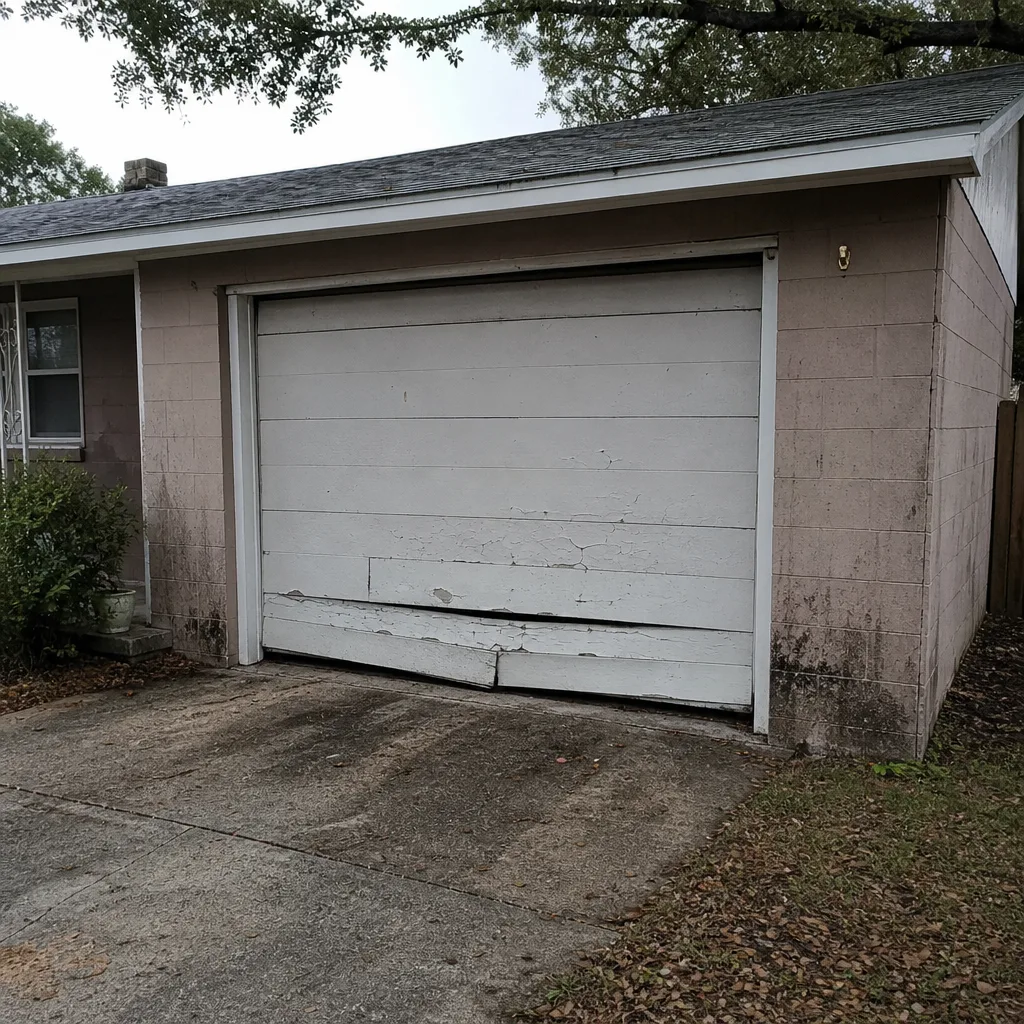 Before
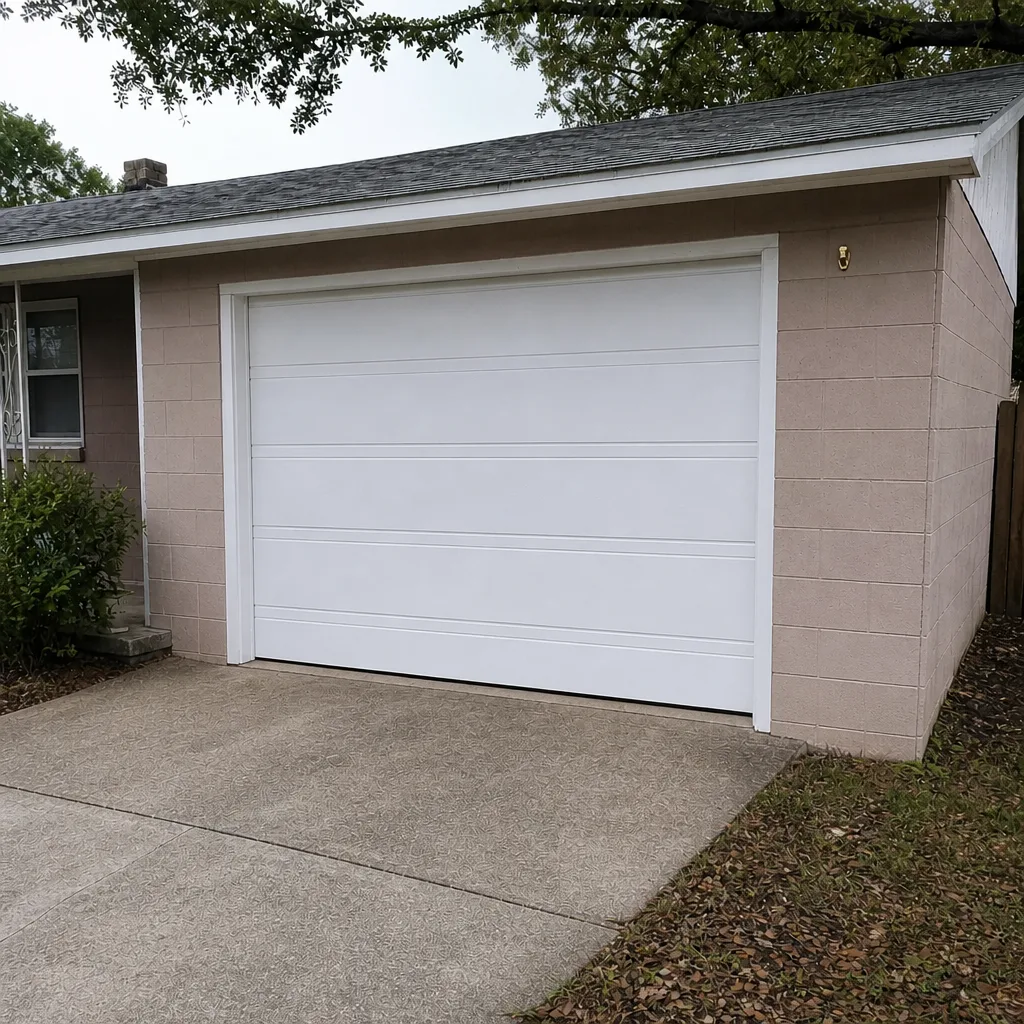 After
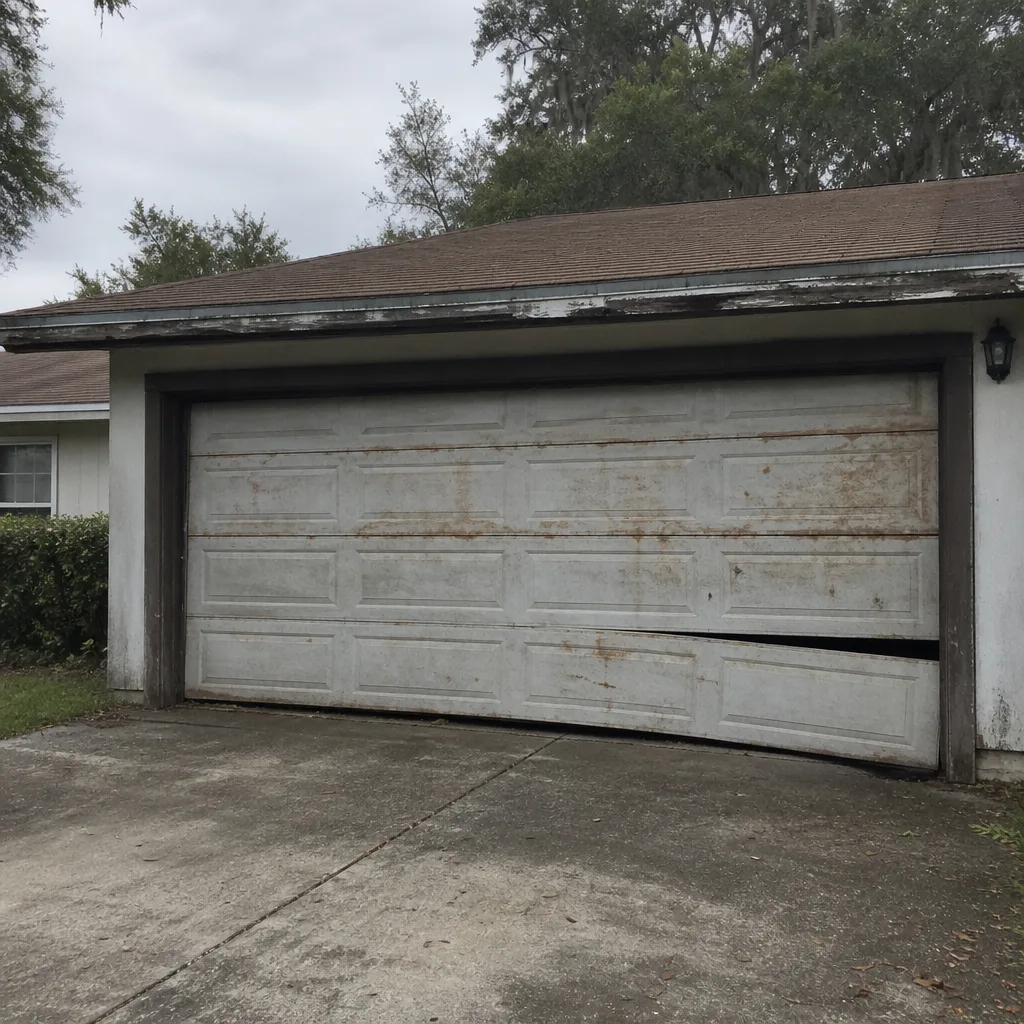 Before
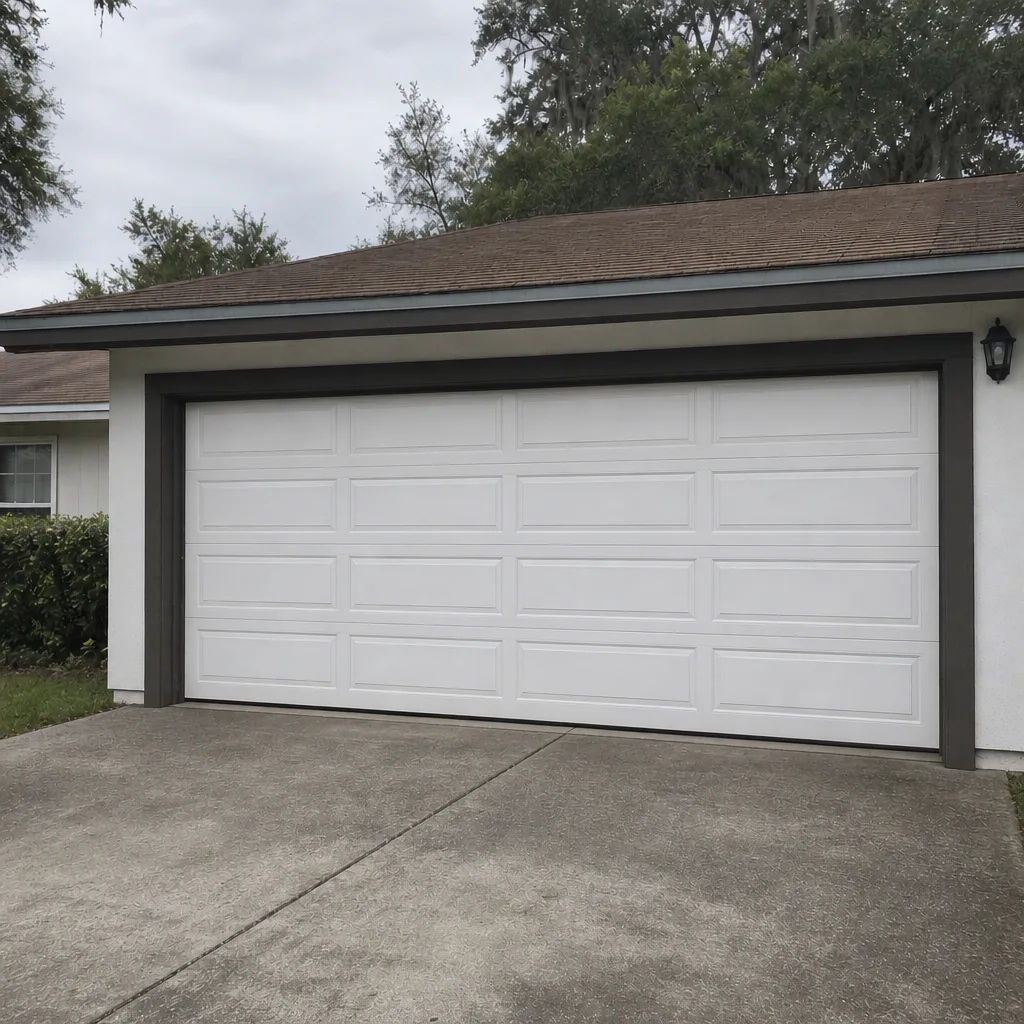 After
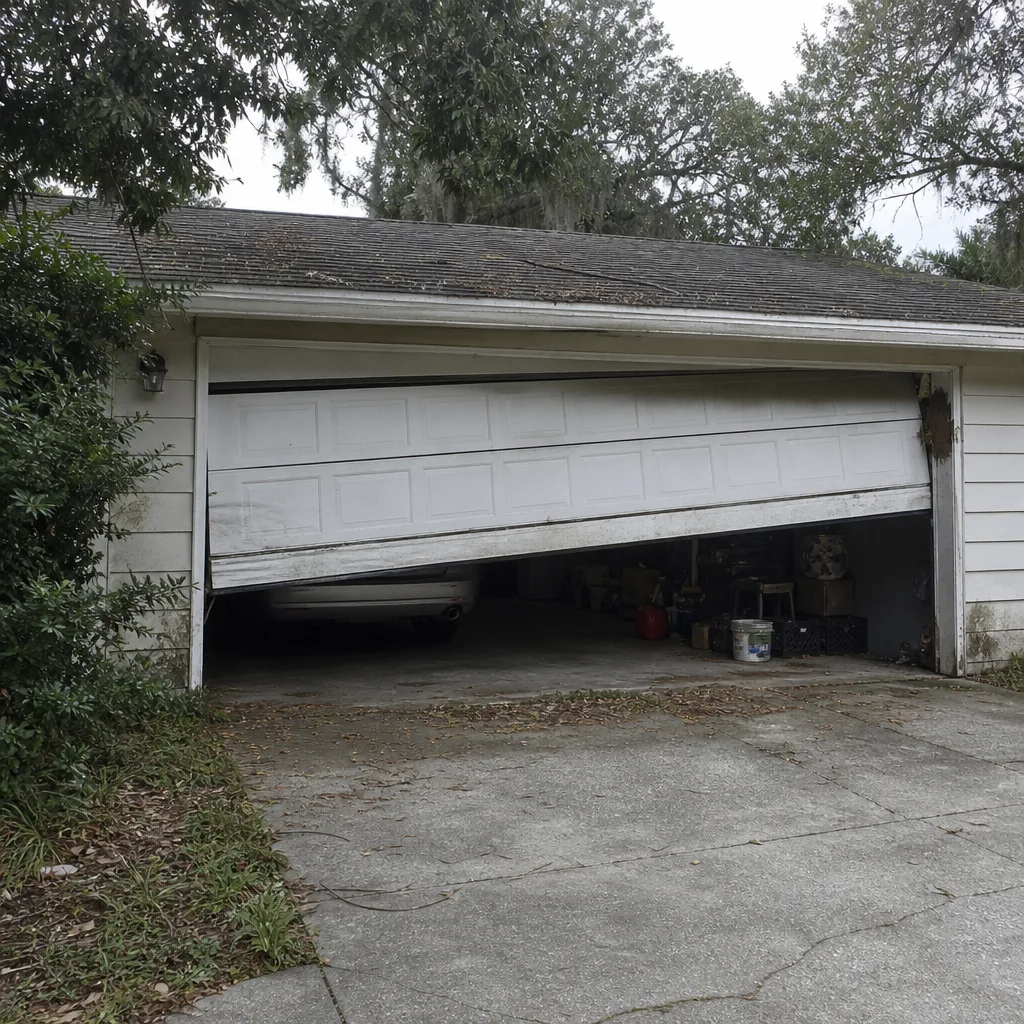 Before
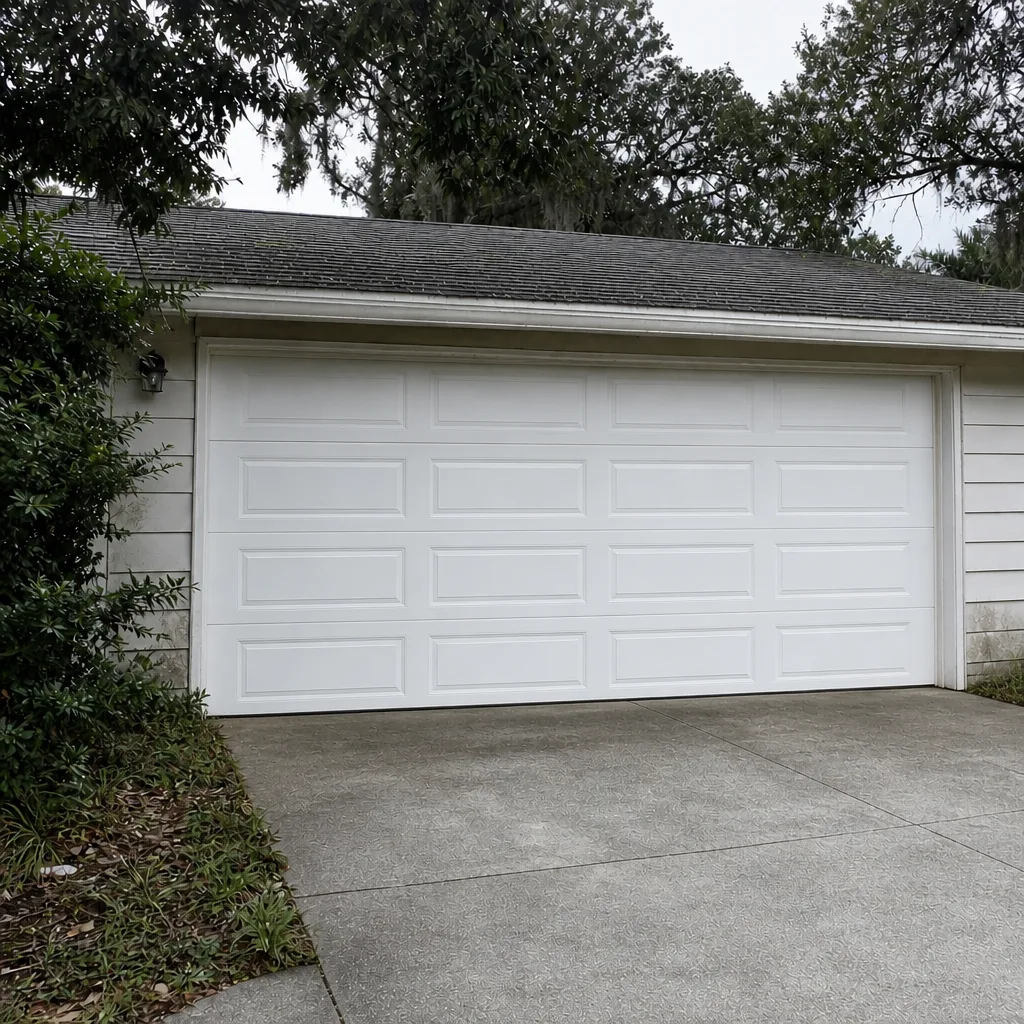 After
When to Call a Professional
Some tasks in this guide are yours to do. Others belong to a trained technician, and the line is clear. Call a professional for any spring that’s broken, stretched or out of balance; any cable that’s frayed, kinked or slack; a door that won’t stay level when you test the balance; an opener that reverses on its own or won’t close in heat; a track that’s bent or pulled from the frame; and any door that’s become a security risk because it won’t close all the way. If a door is stuck open in Gainesville, that’s an emergency situation where access and security both matter – call and we’ll dispatch. Our technicians have up to 8 years of experience, and a free estimate is the fastest way to know exactly what’s wrong. Gainesville Garage Door Repair Pros offers free estimates in Gainesville – call (833) 545-8314. We answer 24/7. Fast dispatch from 7am to 7pm, Sunday through Friday.
Frequently Asked Questions
Do a full maintenance pass three times a year – May, September and January – and a five-minute visual inspection monthly. The three-date schedule is built around Gainesville’s storm season, summer humidity and the cool-dry winter window, which is when lubricant actually holds. A monthly visual check in between catches small problems early.
Use a silicone-based lubricant on tracks, rollers and the bottom seal, and white lithium grease on the springs. Avoid WD-40 as a long-term lubricant and never grease the tracks – both attract grit and moisture. In Gainesville’s humidity, the wrong product does more harm than none.
No. Garage door springs are under extreme tension and can cause serious injury if handled incorrectly. This is one of the most safety-critical repairs in the trade, and it belongs to a trained technician. If you see a gap in a torsion spring or a sagging extension spring, stop operating the door and call.
Heat affects your opener’s force sensing and travel limits, and it can thin lubricant on the moving parts. A door that works in the morning but reverses, stalls or won’t close on a hot afternoon usually needs its opener settings adjusted or its hardware lubricated. In a garage that sees 90°F daily, this is common and fixable.
If the seal is pulling away from the door but the rubber is still soft and intact, it can usually be reseated. If it’s cracked, torn or hard, it needs replacing. Test it by closing the door and sliding paper underneath – it should drag slightly along the full width. If your door is a Clopay, Amarr, Raynor or Wayne Dalton model, we can match the correct seal profile.
Almost certainly. We’re trained and equipped on the eight brands most homes already have: LiftMaster, Chamberlain, Genie, Clopay, Amarr, Wayne Dalton, Craftsman and Raynor. That includes smart and Wi-Fi-connected openers like LiftMaster myQ, Chamberlain and Genie Aladdin. You won’t be turned away because your unit is unfamiliar.
The Bottom Line
A Gainesville garage door maintenance checklist should be built around the local calendar, not a generic four-season template. Do the pre-storm inspection in May, the post-storm reset in September, and the lubrication and adjustment work in January when the air is dry. Use silicone on moving parts and white lithium on springs, never WD-40 as a lubricant and never grease on the tracks. Reseat your bottom seal rather than replacing it when the rubber is still good. Run a five-minute visual check monthly, and leave springs and cables to a trained technician. Do these and you’ll catch most problems before they become emergency calls in Gainesville.
When something needs a professional eye, we cover the full range: repair, opener repair, spring repair and new door installation, all on the brands you already own. Call (833) 545-8314 for a free estimate. We answer 24/7. Fast dispatch from 7am to 7pm, Sunday through Friday. We’ll walk you through what’s wrong, quote the price before any work starts, and fix it right the first time.
Written by the team at Gainesville Garage Door Repair Pros.