
Last updated November 22, 2026
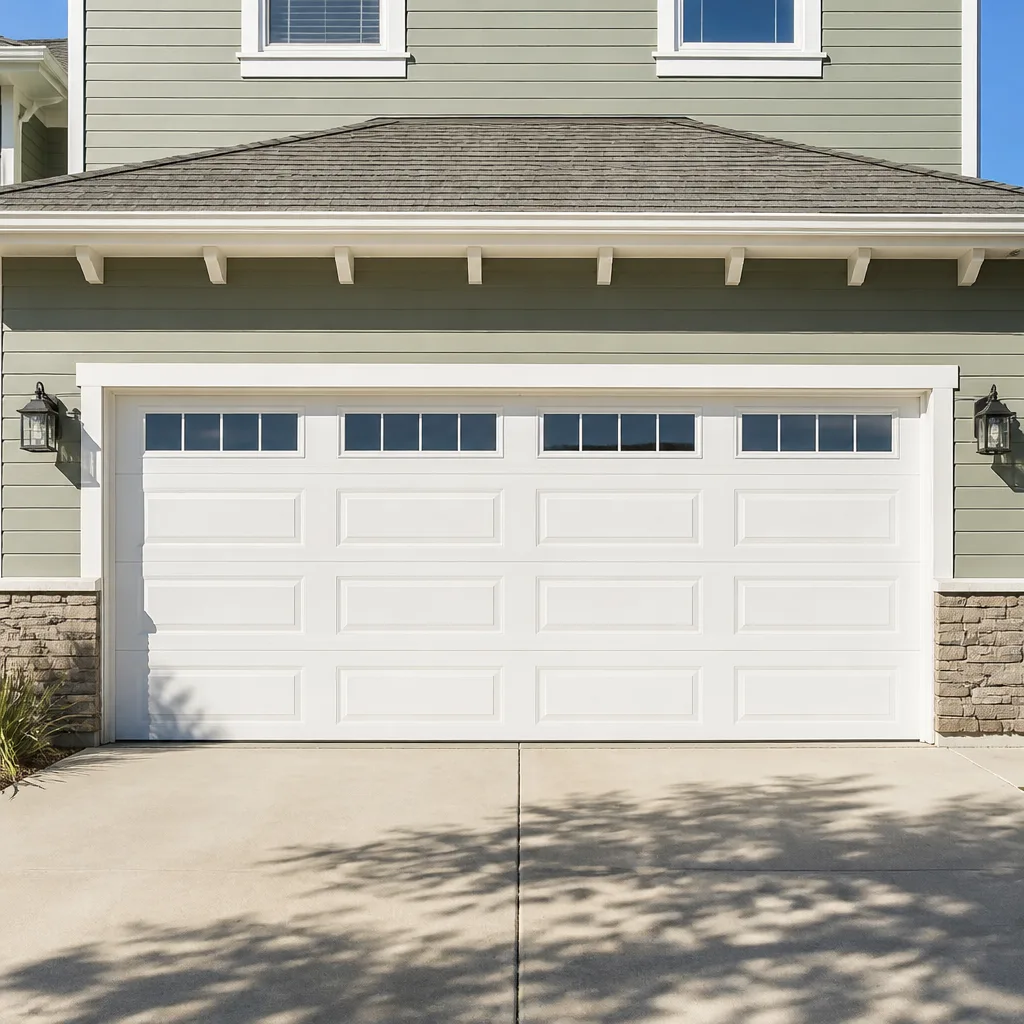 Raised-panel steel
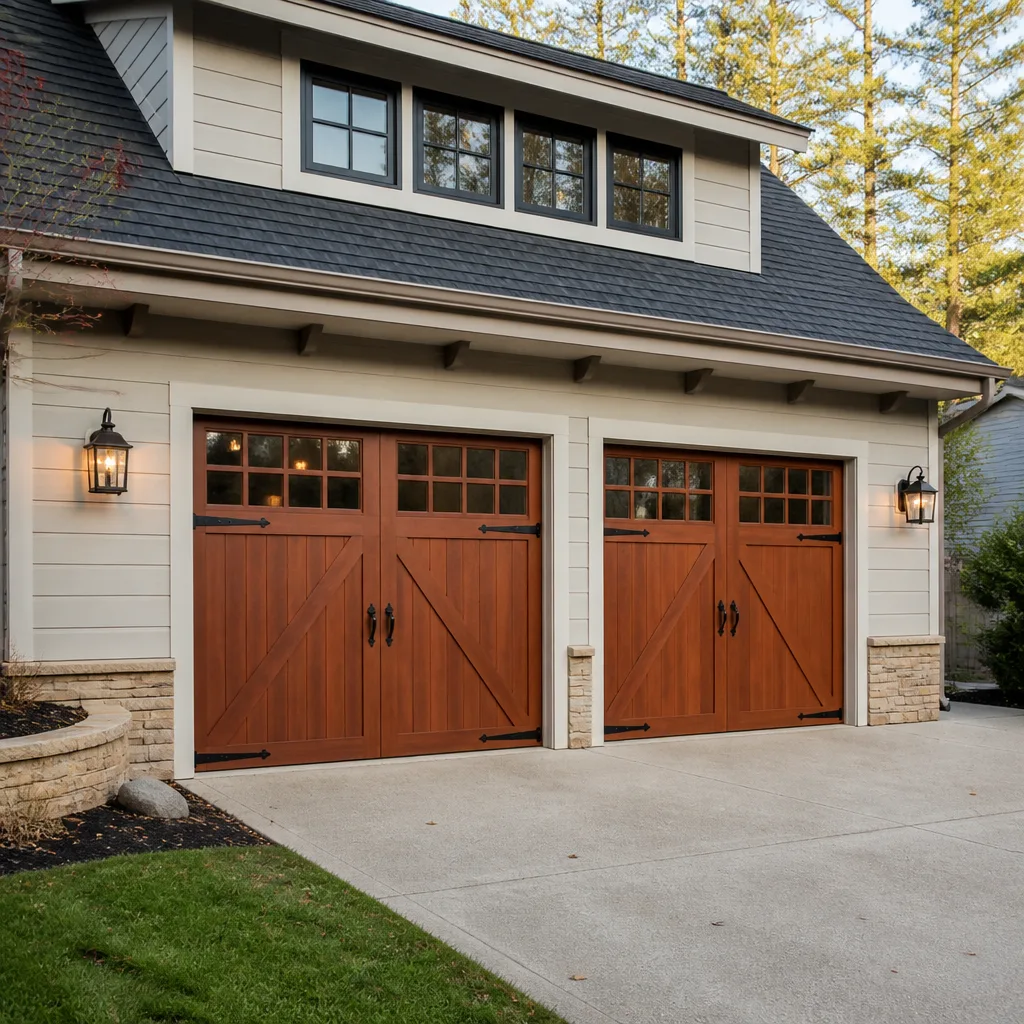 Carriage house
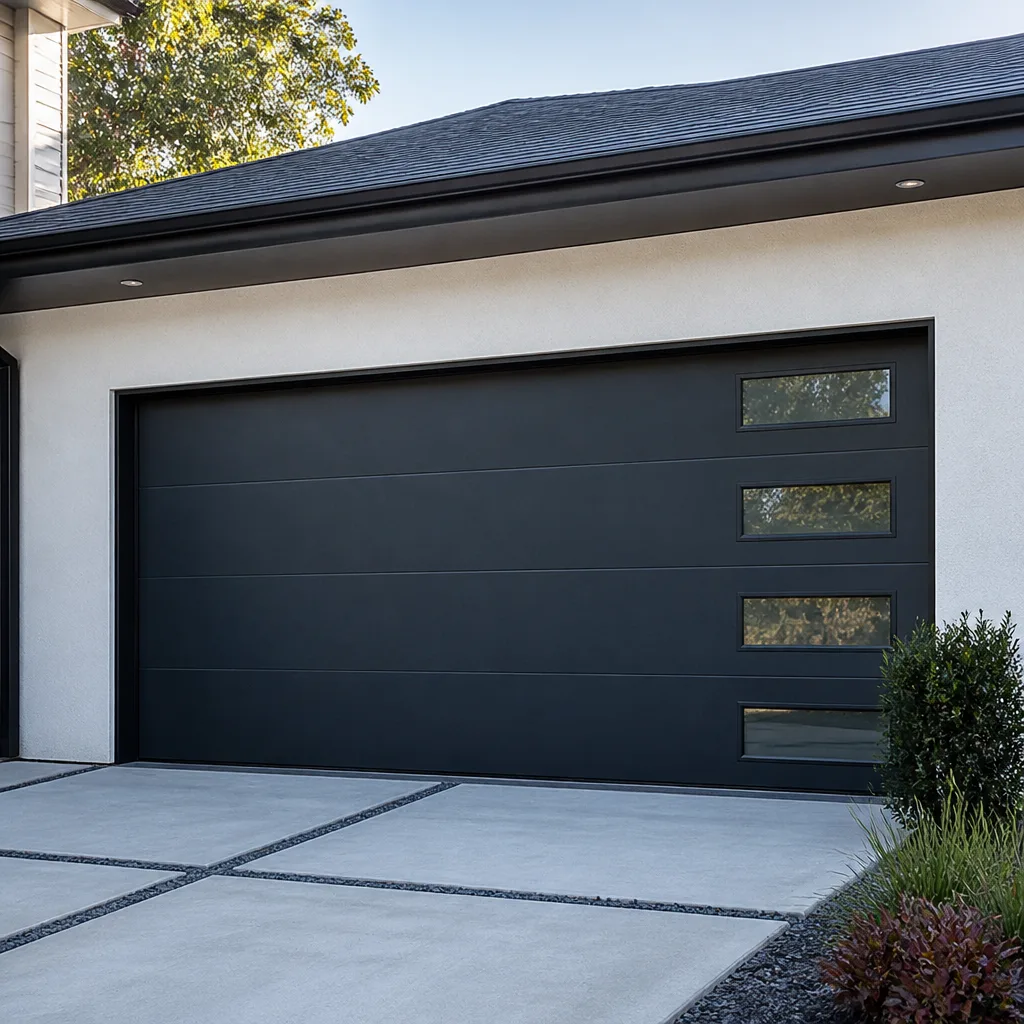 Modern flush
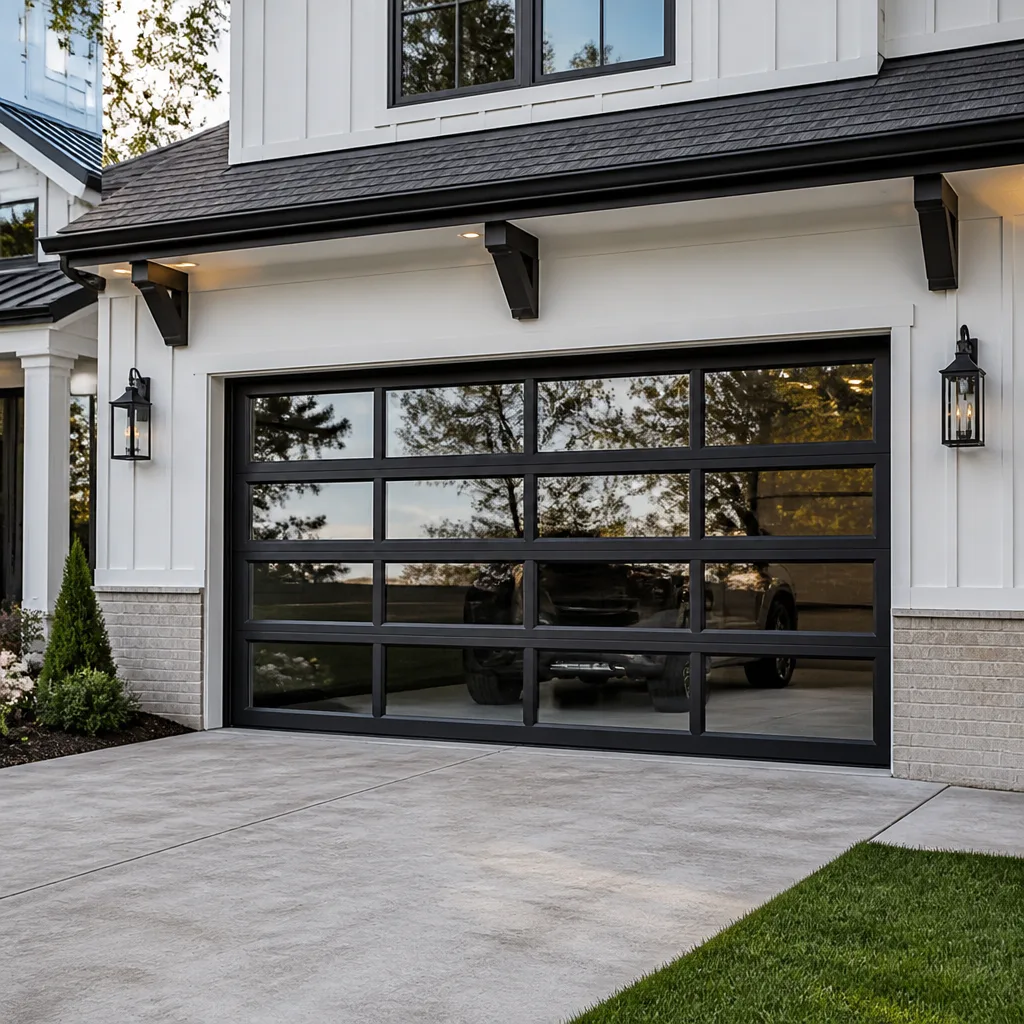 Full-view glass
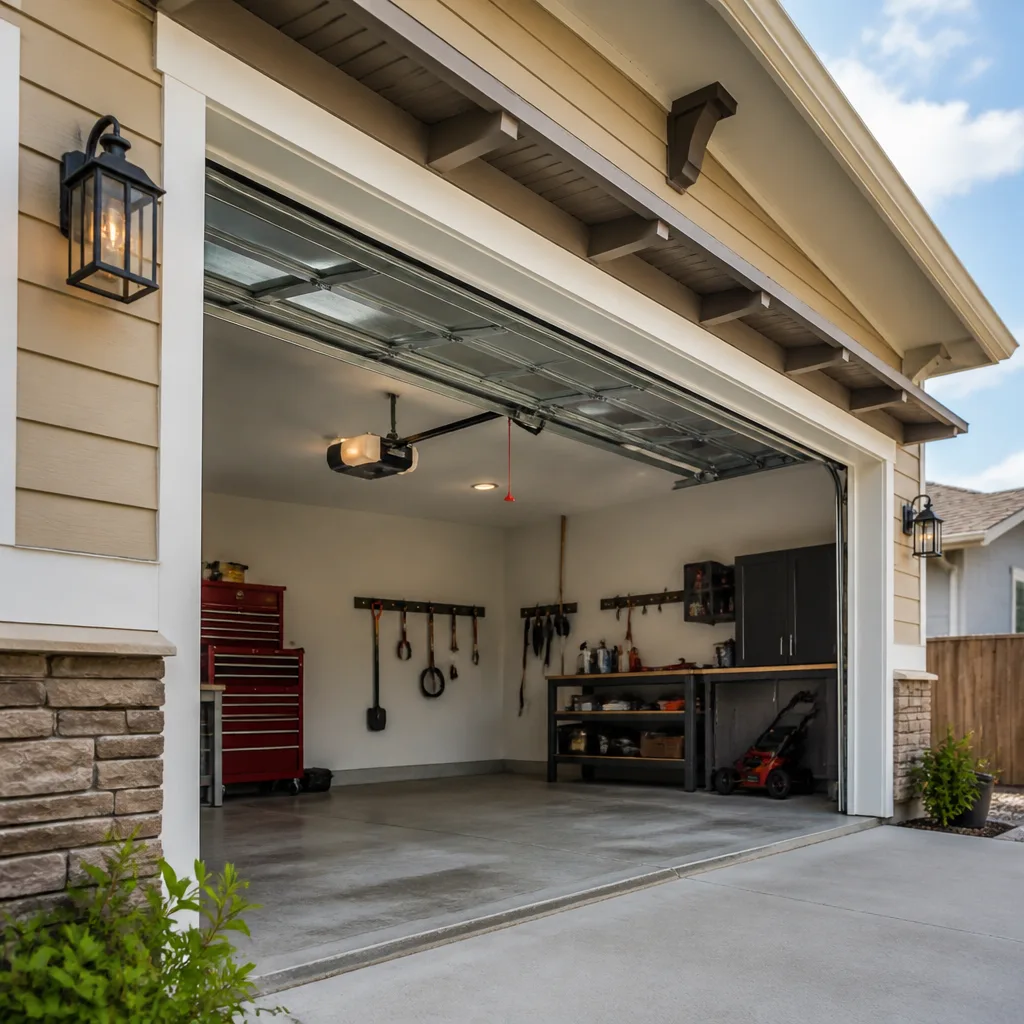 LiftMaster openers
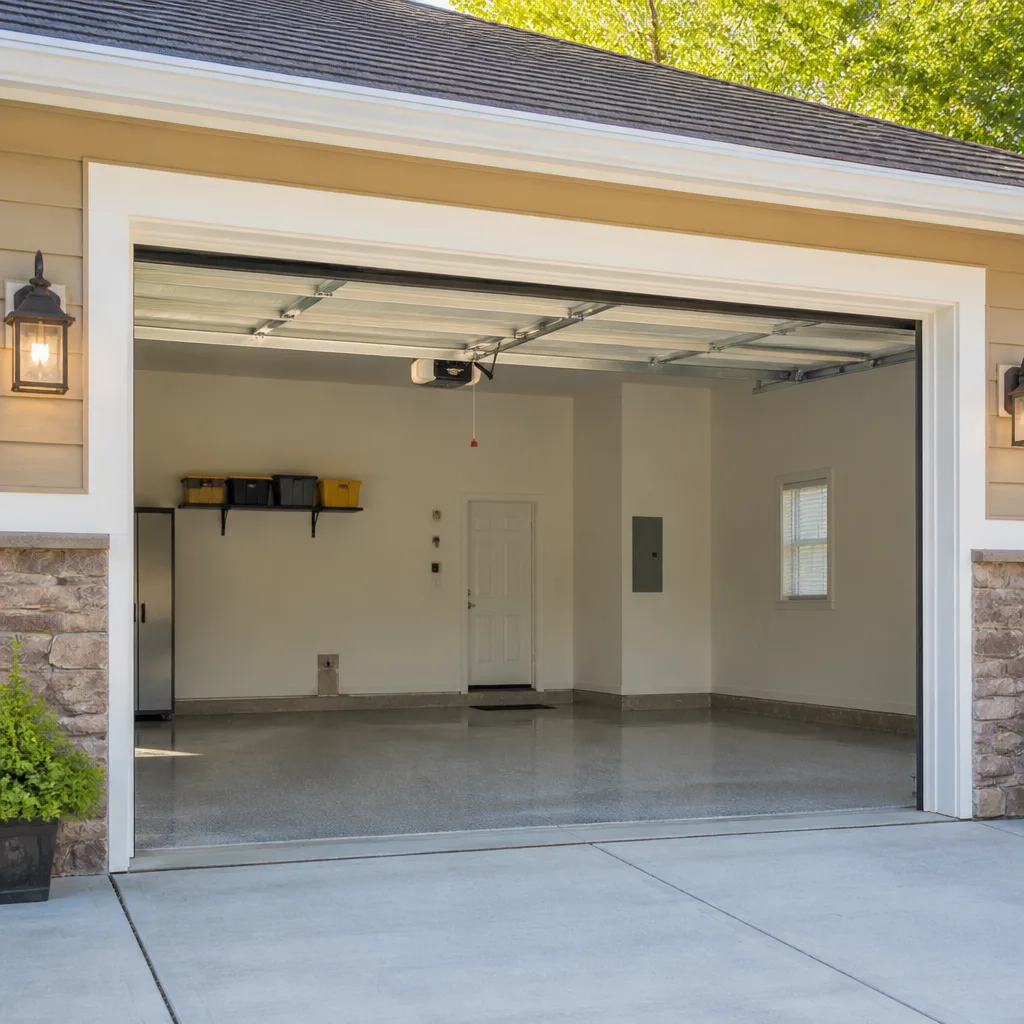 Chamberlain openers
Full 25-point door and opener safety check with every visit - springs, cables, rollers, tracks, and your LiftMaster or Chamberlain opener included
You get a price before we start. It does not change when the pro arrives.
Get your free estimateSeasonal Garage Door Care for Gainesville: Year-Round Homeowner’s Guide
Telling a Gainesville homeowner to winterize their garage door is close to useless advice. We don’t have a long freeze to prepare for, and the worst damage here rarely happens in January. It happens in September, when humidity has been working on your springs and brackets for four months straight. Or in March, when a heat-soaked garage throws off the logic board on your opener and the door starts reversing on its own. Gainesville runs on a different calendar than the one most garage door guides are written for: a wet season, a hurricane window, a short mild stretch that’s actually the best time to do maintenance, and a dry heat ramp-up. This guide walks through each phase, what it stresses, and what to check.
Quick Answer
Garage door care in Gainesville follows a wet-season and storm-season calendar rather than a traditional four-season one. The highest-risk window is June through September, when sustained humidity attacks spring coatings, cables and bottom brackets and storm impact bends panels and knocks tracks out of alignment. The single best month for lubrication, cable inspection and balance testing is January or February, when temperatures are stable and the hardware isn’t fighting moisture. Opener sensitivity settings tend to drift in March and April as garage temperatures climb, which is when most “my door reverses for no reason” calls start.
Styles & brands we work with
- Raised-panel steel
- Carriage house
- Modern flush
- Full-view glass
- LiftMaster openers
- Chamberlain openers
Table of Contents
- Why Gainesville’s Garage Door Calendar Isn’t Four Seasons
- May: Preparing Your Door Before Hurricane Season
- June Through September: What the Wet Season Does to Your Hardware
- October and November: The Post-Storm Inspection Checklist
- January and February: The Best Window for Real Maintenance
- March and April: Why Your Opener Settings Drift in the Heat
- A Simple Monthly Walk-Around for Gainesville Homeowners
- Common Mistakes to Avoid
- When to Call a Professional
- Frequently Asked Questions
Why Gainesville’s Garage Door Calendar Isn’t Four Seasons
Most garage door maintenance advice is written for a climate with a hard freeze and a dry summer. Gainesville has neither. What we get instead is a long humid stretch from roughly June through September, a hurricane season that officially opens in June and peaks in late summer and early fall, a genuinely pleasant mild stretch in January and February, and a spring heat ramp in March and April that catches people off guard because it arrives before they’ve thought about their garage at all.
That shape changes what actually fails. In a cold climate, the leading seasonal problem is contraction and metal fatigue from repeated freeze and thaw. Here, it’s moisture and heat. Sustained humidity softens lubrication, accelerates surface rust on bare steel, and quietly degrades the coating on torsion springs. Heat changes the tension in your opener’s travel and force settings. Storm pressure and impact do things to panels and tracks that you can’t see from the driveway.
A garage door system has three main mechanical groups that each respond differently to this climate:
- The spring and cable system. Torsion springs carry the door’s weight. Humidity and heat both affect how they age and how their coatings hold up.
- Tracks, rollers, hinges and brackets. These take the storm impact, the wind pressure, and the moisture that collects at the bottom of the door.
- The opener and its logic board. This is the part most affected by temperature swings inside the garage, and the part most likely to cause mysterious behavior.
Treat each group on its own seasonal schedule, and the door lasts longer and behaves more predictably. That’s the whole framework for the rest of this guide.
May: Preparing Your Door Before Hurricane Season
May is the last quiet month before the wet season and the named-storm window open up, which makes it the right time to get ahead of both. The goal here isn’t to storm-proof the door. No residential garage door is rated for a direct hit. The goal is to make sure nothing is already loose, rusted or misaligned before wind and water arrive to test it. Here’s the sequence we recommend.
- Look at how the door sits in the opening. Stand outside and check that the gap between the door and the frame is even all the way around. An uneven gap means the door is out of alignment before the storms even start.
- Test the manual release. Pull the red release handle on your opener, lift the door by hand, and confirm it moves smoothly without binding. Reconnect it. This is the release you’ll use if the power goes out during a storm, and it’s the one thing people forget to check until they need it.
- Inspect the bottom seal and weatherstripping. Dry, cracked, or peeling seals let driven rain straight into the garage. Run a hand along the bottom seal and the side and top trim. If the rubber is hard or torn, plan to replace it.
- Check the wall brackets and hinges for rust. Surface rust on the bottom brackets and hinges is common after a humid spring. Rust that has started to pit or weaken the metal needs attention before it’s load-bearing in a storm.
- Clear the tracks and test the safety reverse. Wipe down the tracks so debris can’t jam a roller, then place a small object in the door’s path and confirm the door reverses on contact. If it doesn’t reverse, stop using the door until it’s fixed.
- Look at the opener’s travel limits. The door should close fully against the floor without the opener straining. If it stops short or pushes into the floor, the limits have drifted and should be reset.
None of this takes long, and it’s the difference between a door that comes through a storm season intact and one that’s already halfway to a repair before the first system rolls through. If any part of it feels beyond a visual check, a professional can go through it properly, and our garage door repair service covers exactly this kind of pre-season tune-up. One more thing: in May, be realistic about the spring. If your door feels heavy or the opener strains to lift it, the spring has lost tension and no amount of storm prep will fix that. Better to find out in May than in the middle of a storm warning.
June Through September: What the Wet Season Does to Your Hardware
This is the stretch that does the most quiet damage to a Gainesville garage door. It’s not dramatic. It’s four months of high humidity and frequent rain, and the effects compound. What we see most often is hardware that looked fine in April and by September is stiff, rusted or noisy.
The two components most affected are torsion spring coatings and bottom brackets. A torsion spring is a coiled steel spring under heavy tension, and it’s usually coated or oil-tempered to resist corrosion. In sustained humidity, that coating degrades faster than it would in a dry climate. Once the coating breaks down, moisture reaches the steel and surface rust starts, which changes how the spring flexes. That’s when springs start to sound different, then feel different, then eventually fail. Bottom brackets sit low on the door where water collects, and they take the worst of the splash and ground moisture.
Signs your hardware is taking moisture damage
- Orange or brown surface rust appearing on hinges, bottom brackets or the spring itself.
- A spring that sounds rougher or more metallic than it used to when the door moves.
- Stiffness in the door in the first inch or two of travel.
- Water staining or soft spots on the bottom panel and the seal around it.
- Rollers that grind rather than roll smoothly through the tracks.
What to do during the wet season
- Keep the tracks and rollers clean and dry. Wipe down tracks after heavy rain and clear any standing water from the bottom of the door’s path.
- Keep lubrication present on moving parts. Hinges, rollers and the spring need a proper garage door lubricant, not a light oil that washes off. Reapply more often in the wet months than you would in a dry climate.
- Check for water intrusion at the bottom seal. Replace a seal that’s letting water in. Water standing against the bottom panel is what eventually rots or rusts it out.
- Watch the spring’s appearance. A spring that’s rusting visibly is one to have checked by a professional, because spring failure is the leading cause of garage door breakdowns and carries real safety risk if handled wrong.
We treat garage door spring repair as a specialty, not a side job, precisely because wet-season wear on springs is so common here. If your spring is rusty, noisy or the door has gotten heavy, don’t put it off until the dry months. A torsion spring holds the full weight of the door, and a rusty or weakened spring that fails can send debris or the door itself in an unpredictable direction. That’s a repair for trained hands, not a weekend project.
October and November: The Post-Storm Inspection Checklist
By the time a storm passes, the damage that matters most usually isn’t the obvious part. The dented panel is easy to spot. The bent track behind it, the twisted hinge, the panel that’s been pushed out of square so the whole door binds a little at the top, those are the ones people don’t notice until weeks later. Wind pressure and impact on a garage door are cumulative, and they don’t always announce themselves. That’s why we recommend a structured post-storm inspection, ideally after any significant wind event.
Post-storm inspection checklist
- Check the panels for dents and deformation. A pressed-in panel can bind the whole door. Look closely at the top and middle sections, which take the most wind.
- Sight down the tracks. Tracks should be straight and parallel. A bend of even a fraction of an inch throws off roller travel and stresses the hinges.
- Look for gaps in the panels and the frame. Panels that have shifted or separated are a sign the door took pressure it wasn’t designed for.
- Check the springs and cables for damage or debris. Storm debris in the tracks or wrapped in the cables is dangerous and should not be cleared by hand.
- Test the opener’s operation. Run the door up and down. Does it move evenly? Does it bind? Does it land fully closed?
- Look at the bottom seal and the sill. Impact damage and debris can tear the seal, and any change in the sill’s condition matters.
- Photograph anything that looks off. If you later discover the door is sticking or the opener is straining, you’ll want a record of what the door looked like right after the storm.
Panels and tracks can look straight from the driveway and still be slightly out of alignment. If the door feels different after a storm, or if it binds, reverses or lands unevenly, that’s worth a professional look. Our team works on garage door repair for exactly these post-storm problems, and we handle the brands most Gainesville homes actually have installed, including Raynor and Clopay doors. If a storm has left you with a door that won’t close, our emergency service is there for the urgent cases, so you’re not leaving the house open to the street.
January and February: The Best Window for Real Maintenance
January and February are the only stretch of the Gainesville year where the temperature is stable and the humidity has backed off, and that makes them the right time to do the maintenance that actually matters. The idea isn’t that cold weather is hard on the door here. It’s that this is when a technician can properly test and adjust the system without the heat and moisture working against the readings. If you do one real maintenance session a year, do it now.
What a proper winter maintenance visit covers
- Full lubrication. Hinges, rollers, springs, and the opener’s rail and drive hardware. Bare metal surfaces that have been sitting since the wet season get the attention they need.
- Cable inspection. Cables take the same load as the springs and are visible where they run along the tracks. Fraying, wear and corrosion should be found and addressed before anything fails.
- Balance test. Disconnect the opener and lift the door by hand. A balanced door should hold itself roughly at any point partway open. If it drops or needs force to hold, the spring tension is off.
- Spring tension check. Verify both springs are carrying the load evenly. Mismatched tension is a common cause of wobble and uneven travel.
- Hardware torque check. Every bracket, hinge and track bolt gets checked for tightness. Loose hardware loosens the whole system.
- Roller and track alignment. Confirm the door runs true, with no rubbing or drag.
- Opener force and travel settings. Recalibrated for the season, with the safety reverse tested.
If you have a garage door opener repair concern that’s been lingering since summer, this is the time to have it diagnosed properly rather than guessing at the settings yourself. Modern openers from LiftMaster, Chamberlain and Genie have force and travel settings that are easy to get wrong if you adjust them by feel. A technician who works on that brand and model can set them correctly, and having the safety reverse tested at the same time is worth the visit on its own. Balance and cable testing on a torsion system is not a DIY task. If anything in the balance or cable check looks wrong, that’s the point to call a professional rather than put hands near a system under heavy spring tension.
March and April: Why Your Opener Settings Drift in the Heat
Here’s the one that catches almost everyone by surprise. March and April bring rising garage temperatures, and a garage that sits in the Gainesville sun can get warmer inside than the air outside. That matters because the opener’s force and travel settings are set at a given temperature and hold best at that temperature. As the garage heats up, the door’s hardware expands slightly and the opener’s logic board sees slightly different resistance on the same door. The result is a door that reverses unexpectedly, stops short of closing, or opens unevenly, and nothing looks broken.
What to look for in the heat ramp
- The door reverses right before it closes. This is the classic sign that force or travel settings have drifted in the heat.
- The door stops partway. The opener thinks it has hit an obstruction it hasn’t.
- The opener runs but nothing moves. Check the logic board and drive hardware.
- New noise in the first few feet of travel. Heat can loosen the fit of metal parts that were tight in cooler weather.
Logic boards on any brand, from a LiftMaster myQ unit to a Genie Aladdin system, rely on readings that include temperature and force. When those readings drift, the opener misbehaves regardless of how good the door’s mechanical condition is. The fix in most cases is a reset of the force and travel settings, and then a test of the safety reverse. If you have a smart opener, don’t be quick to assume the issue is app or connectivity based. A door reversing in the heat is almost always an opener setting problem, not a Wi-Fi problem.
When heat-related switching becomes more than a settings issue
If resetting the settings clears the problem and it stays clear, that’s the end of it. If it keeps coming back through the spring, the opener itself may be aging and its diagnostics unreliable, and that’s when a repair or replacement makes more sense than recalibrating every few weeks. Don’t just increase the force setting to make the door close. That defeats the safety reverse and removes the protection that stops the door on a person or an object in its path. A force setting raised to make a misbehaving door close is a safety problem, not a fix.
A Simple Monthly Walk-Around for Gainesville Homeowners
You don’t need a full inspection every month. You need about five minutes and a habit. Run this simple walk-around once a month and you’ll catch most problems while they’re still small. It’s designed for how Gainesville weather actually cycles, so it holds up in any month of the year.
- Cycled the door once and listened. Any new noise, grinding or uneven travel is a signal.
- Visual check of the spring and cables. Look for rust, fraying or anything that looks different from last month.
- Test the safety reverse. Door should reverse when it meets an object in its path.
- Check the bottom seal and any visible water intrusion. Especially after heavy rain.
- Look at hinges and brackets for rust or looseness. Wipe and lubricate as needed.
- Confirm the opener’s remote and wall control work. If a remote has stopped working, that’s a battery or a programming issue, not the door.
If you keep this going, most of the seasonal problems in this guide become smaller ones because you find them early. The two things you should not try to diagnose or fix yourself are spring tension and the opener’s internal force settings. A torsion spring is a coiled steel component under heavy load. Touching one without the right tools and training is a genuine injury risk, and the safety reverse on your opener is what stops the door on a person or a car. Both are jobs for a trained technician.
Common Mistakes to Avoid
- Treating winterizing as the main event. The worst damage in Gainesville happens in the wet season and after storms, not in January, so a winter-only maintenance routine misses the parts of the year that matter. Do the real maintenance pass in January and February, and keep an eye on things through the wet months.
- Ignoring spring rust because the door still works. A rusty torsion spring can still lift the door for a while, which makes it easy to postpone. Rust compromises the steel itself, and a failing spring is the most common cause of a garage door breakdown.
- Raising the opener’s force setting to make the door close. If the door reverses in the heat, the answer is a reset of the force and travel settings, not a higher force limit. Yanking the force up defeats the safety reverse and creates a real hazard.
- Skipping the post-storm track check. A track bent by wind pressure can look fine from the driveway and still cause binding within a few weeks. Sight down both tracks and inspect them properly after any significant wind event.
- Using the wrong lubricant. Light oils and general-purpose sprays wash off in the humidity and can attract grit. Garage door hinges, rollers and springs need a proper door lubricant that stays put.
- Assuming a humming opener means the motor is dead. On modern LiftMaster, Chamberlain and Genie units, a hum with no movement is often the logic board or the drive hardware, not the motor itself, and it’s worth a proper diagnosis before you replace anything.
- Testing storm damage by hand. Clearing debris from a track or cable by hand after a storm is how people get hurt. If there’s debris in the spring or cable system, leave it to a technician.
When to Call a Professional
Some things should go straight to a trained technician. Anything involving torsion springs, cables or the opener’s internal force and travel settings is on that list. So is any door that reverses, stops partway or won’t close fully, and any post-storm panel or track damage you can see. If your door won’t open or close at all, that’s an urgent call, because it’s an access and security problem, not just inconvenience. Gainesville Garage Door Repair Pros offers free estimates in Gainesville. We work on the brands you already have, including LiftMaster, Chamberlain, Genie, Clopay, Amarr, Wayne Dalton, Craftsman and Raynor, so you won’t get handed off. Call (833) 545-8314. We answer 24/7. Fast dispatch from 7am to 7pm, Sunday through Friday. The written estimate sets the price before any work starts.
Frequently Asked Questions
The single most important maintenance pass is in January or February, when the temperature is stable enough for a proper lubrication, cable inspection and balance test. The most important prevention work is in May, before the wet season and storm window, when you check the door’s alignment, seal and manual release. Do both and the door handles the whole year better.
Warm garage temperatures in March and April cause the opener’s force and travel settings to drift, and the opener interprets the change as an obstruction, so the door reverses. The fix is usually a reset of those settings and a safety-reverse test, not a new opener. If the problem keeps returning after a reset, that’s a sign the opener itself needs attention. Call (833) 545-8314 for a free estimate.
Yes. The sustained humidity from June through September wears down lubrication faster than in a drier climate, so hinges, rollers and the spring benefit from more frequent application during the wet season. Use a proper garage door lubricant rather than light oil, and keep the tracks clean and dry. Call (833) 545-8314 with questions about your door’s specific hardware.
Look for dented or deformed panels, sight down the tracks for bends, and check the bottom seal and brackets for impact or debris. Don’t clear anything from the spring or cable area by hand. If the door binds, reverses or won’t close fully after a storm, have it checked by a professional before using it. Call (833) 545-8314 for an urgent look.
Pricing in Gainesville is set per job and depends on the parts involved and the door’s condition, so the best way to know is a free estimate. A spring repair, a track fix and an opener repair are all different jobs with different parts. The written estimate sets the final price before any work starts, and the estimate itself is free. Call (833) 545-8314 to schedule one.
No. A torsion spring is under heavy tension and holds the weight of the door, and handling one without the right training and tools is a serious injury risk. If your spring is rusty, noisy or the door feels heavy, that’s a job for a trained technician, and our garage door spring repair service handles it as a specialty. Call (833) 545-8314 for a free estimate.
When is the best time to replace a worn garage door in Gainesville?
The mild stretch in January and February is the best window for a full replacement, because scheduling work then keeps you out of the storm season and away from the heat ramp. Replacement work is measured, ordered and scheduled, so it’s worth starting the conversation a few weeks ahead. Call (833) 545-8314 for a free measure and a written price.
The Bottom Line
Gainesville doesn’t ask you to winterize a garage door; it asks you to read the seasons correctly. Watch the hardware through the wet season, inspect the door after storms, do the real lubrication and cable check in January and February, and expect the opener’s settings to drift in the March and April heat. The two things you never handle yourself are spring tension and the safety reverse, because both protect someone. If anything feels off, a professional look is short and the estimate is free. That’s the whole point of getting ahead of the calendar: the door keeps working, and nobody has to think about it until the next storm passes.
Written by the team at Gainesville Garage Door Repair Pros.
See the difference
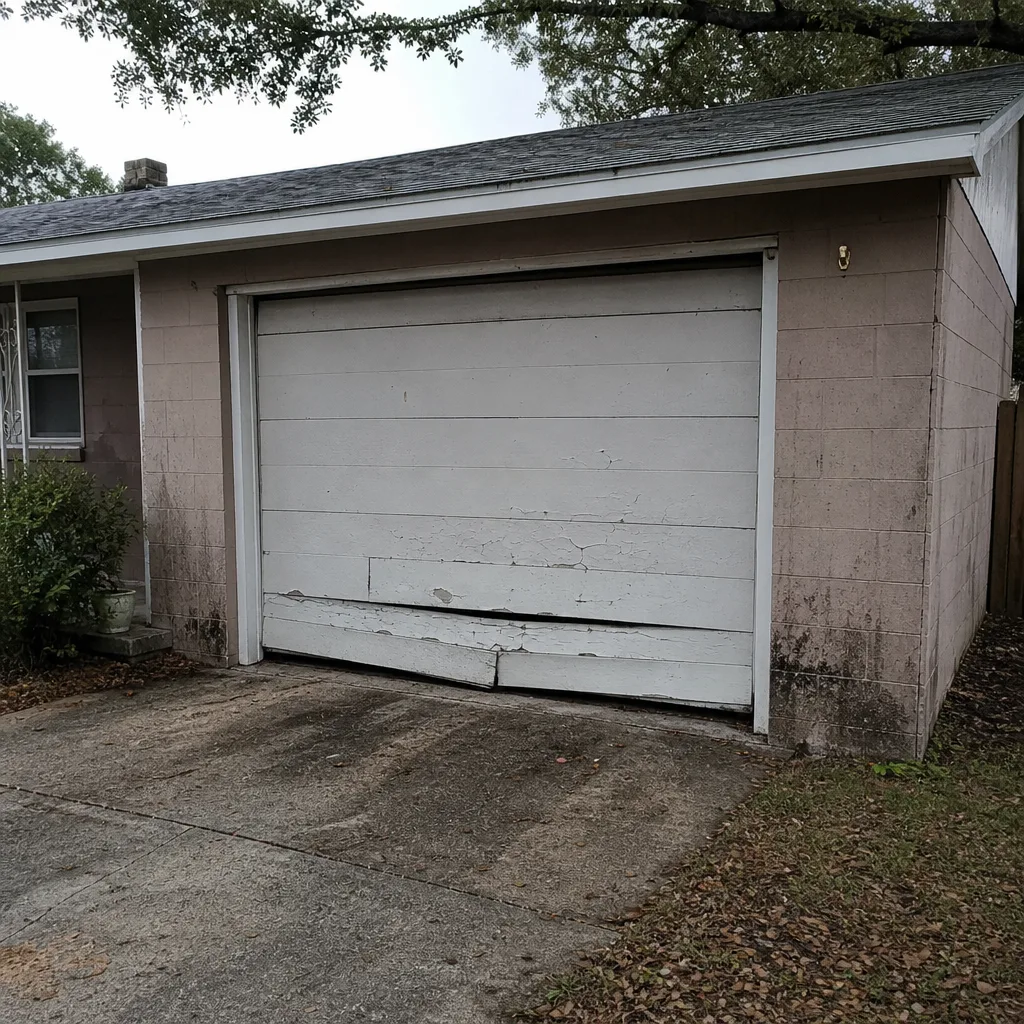 Before
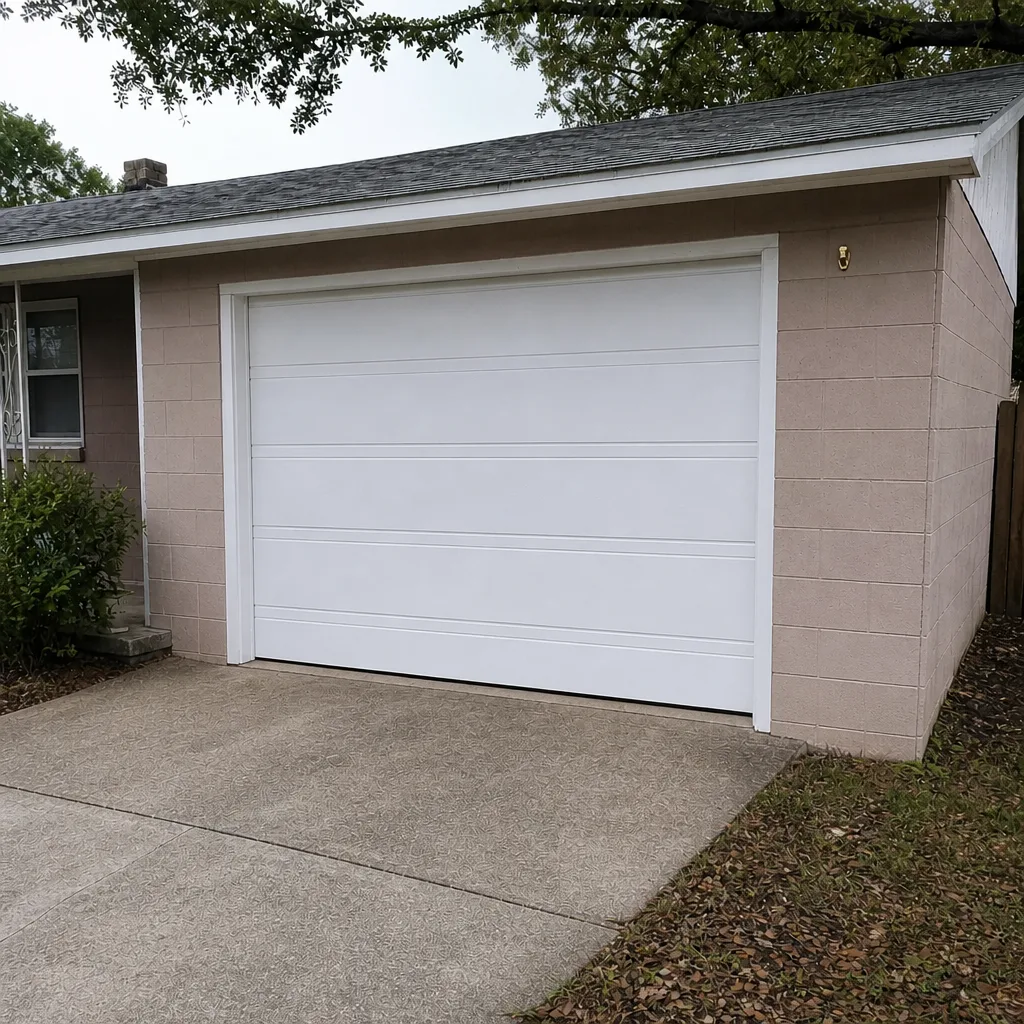 After
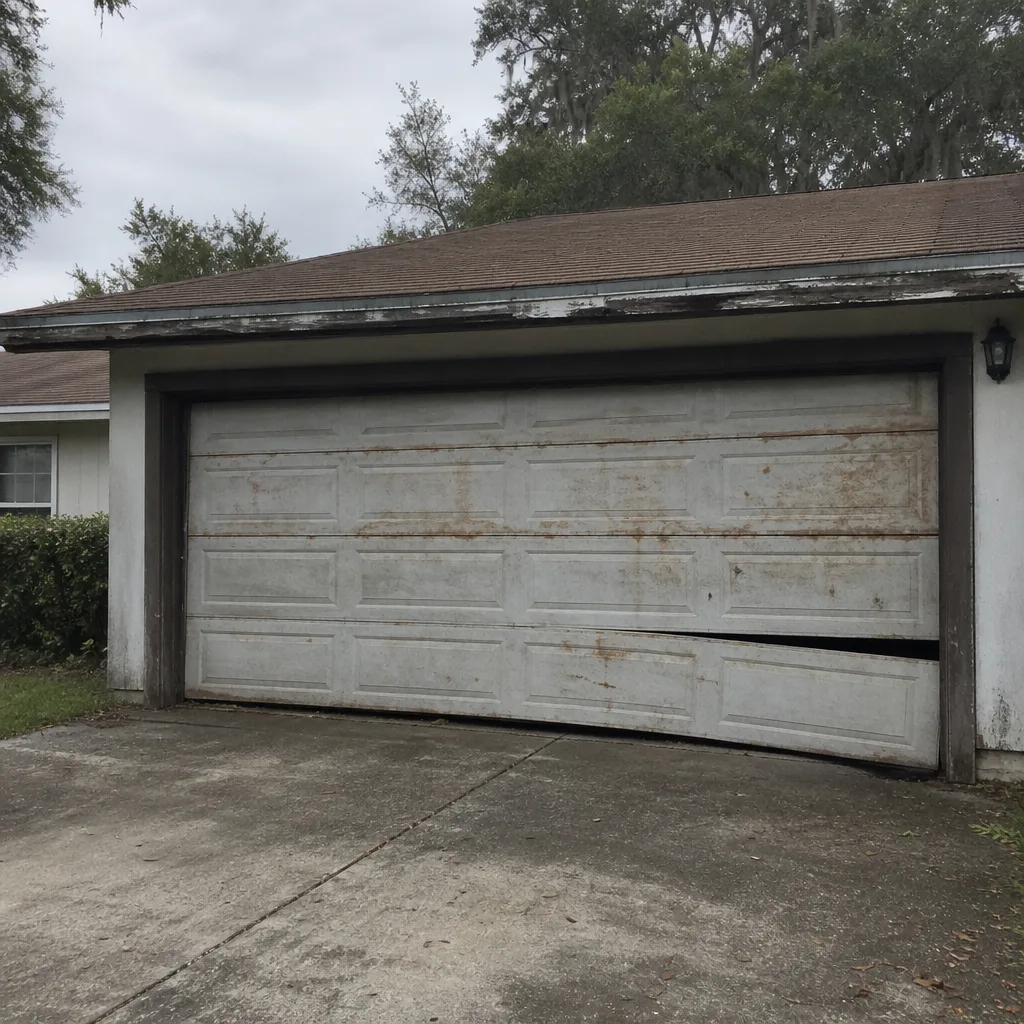 Before
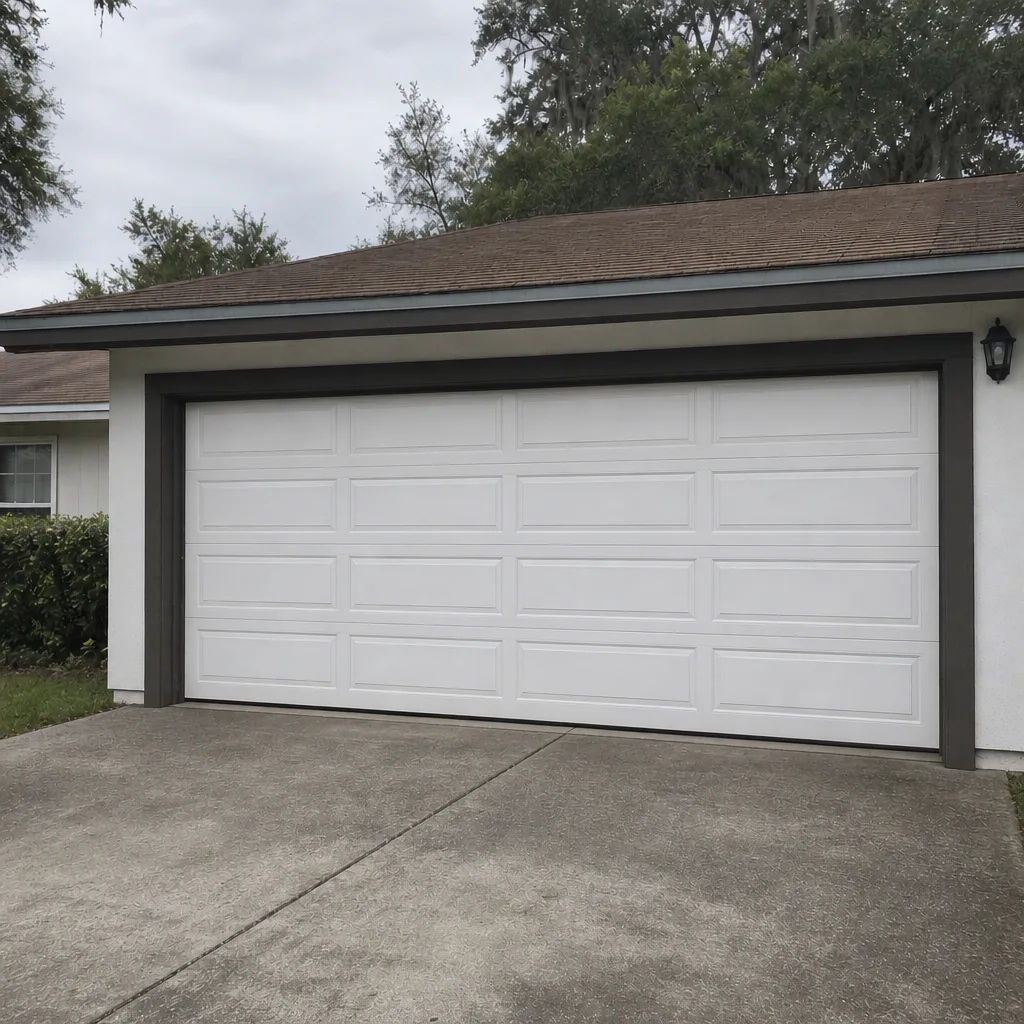 After
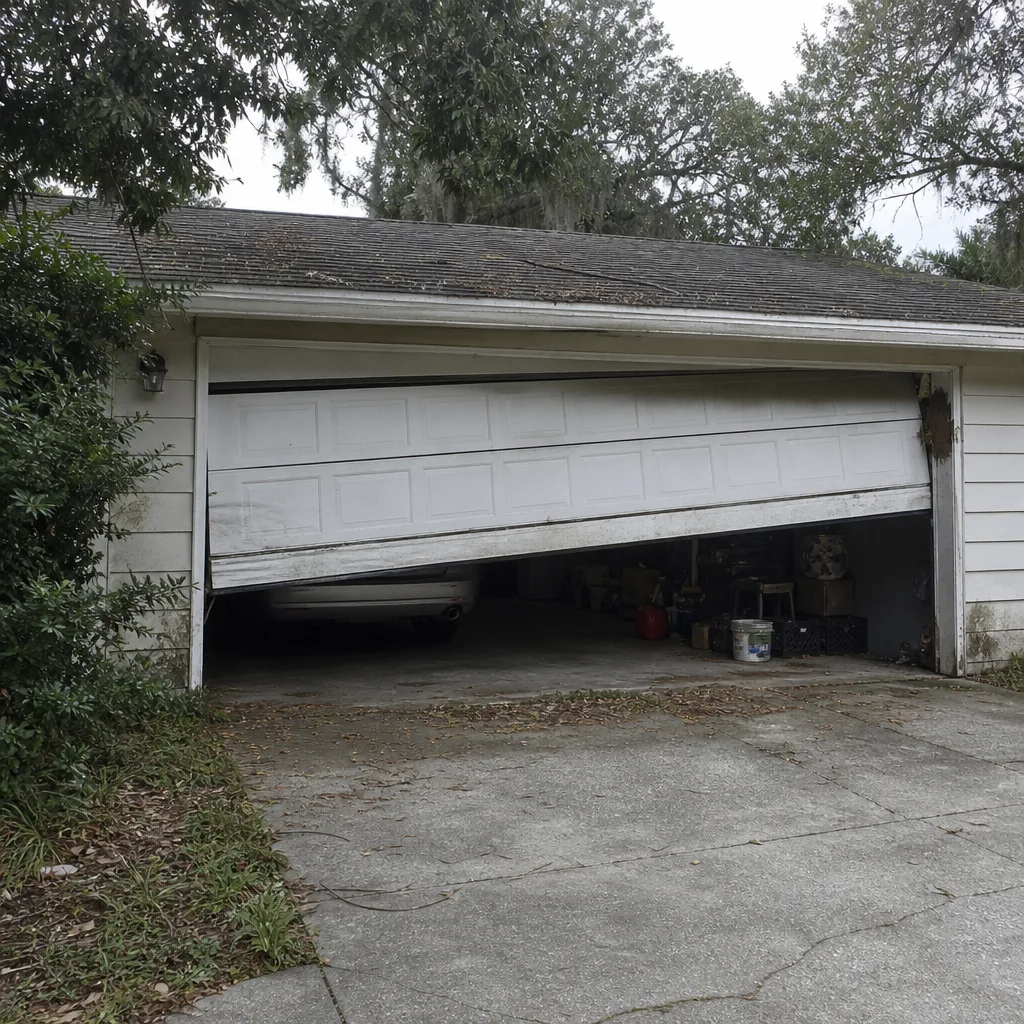 Before
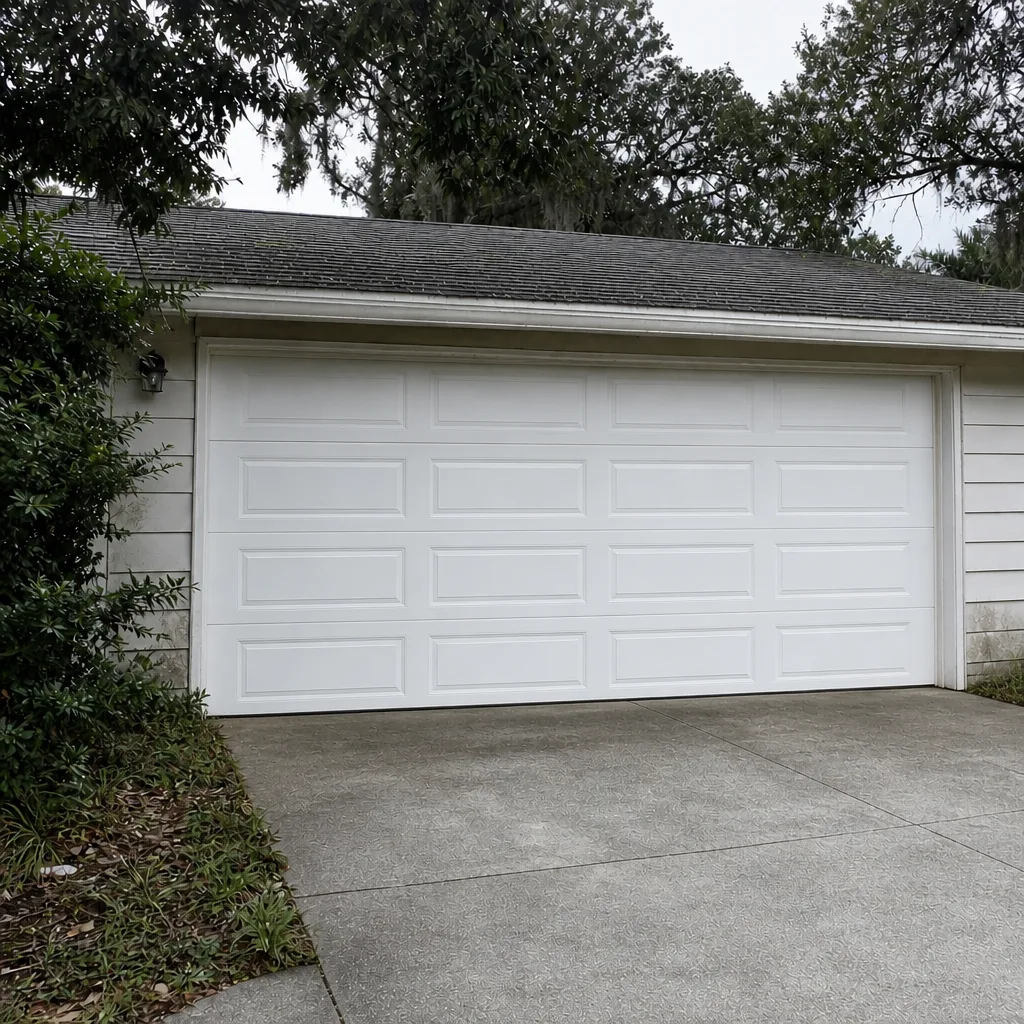 After